
If you are considering dental implants or already have one, you may be wondering: can dental implants actually fail? The honest answer is yes, but failure is far less common than most patients expect.
Dental implants have one of the highest long-term success rates of any tooth replacement option available today. Still, like any surgical or restorative treatment, they are not entirely without risk. Understanding what causes dental implant complications, recognizing early warning signs, and knowing how to protect your implants can make a real difference in long-term outcomes.
This guide covers the causes of dental implant failure, the symptoms to watch for, how failure can be prevented, and when to see an implant dentist in Raleigh, NC.
Can Dental Implants Fail?
Yes, dental implants can fail, but it is not a common outcome when implants are properly planned, placed, healed, restored, and maintained. Implant failure can happen early during the healing phase or years after the implant has been in function.
Why Most Dental Implants Are Successful
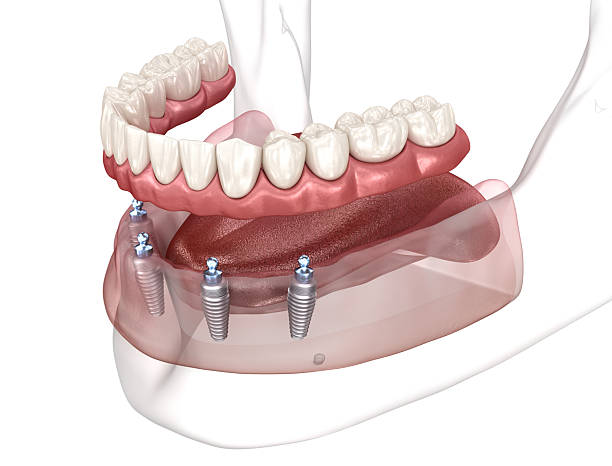
Dental implants succeed because of a biological process called osseointegration. This is when the implant fuses directly with the surrounding jawbone, creating a stable foundation for the crown, bridge, or full arch restoration placed on top.
Long-term implant success depends on several factors working together:
- Adequate bone volume and density
- Healthy gum tissue
- Accurate implant positioning
- Balanced bite forces
- Consistent oral hygiene at home
- Regular professional implant maintenance
When these factors are in place, dental implants can function reliably for many years.
Why Implant Failure Still Happens in Some Cases
Implant failure typically occurs when one or more of those supporting factors breaks down. Infection, inadequate bone support, poor healing, uncontrolled medical conditions, tobacco use, or excessive bite pressure can all affect how well an implant integrates and holds up over time.
These are risk factors, not guarantees. Knowing about them helps patients and their implant team take the right steps before and after treatment.
What Is Dental Implant Failure?
Dental implant failure means the implant, surrounding bone, gum tissue, or restoration is no longer functioning as it should. It is worth noting that not every implant problem requires removal. Some issues are repairable with the right treatment.
Early Dental Implant Failure During Healing
Early failure happens before the implant has fully integrated with the bone. This typically occurs within the first few months after surgery.
Possible causes include:
- Infection at the implant site
- Poor initial implant stability
- Inadequate bone volume at placement
- Medical conditions that affect healing
- Pressure placed on the implant too soon during recovery
Late Dental Implant Failure Years After Treatment
Late failure can develop after an implant has been functioning successfully for months or even years. The most common causes include peri-implantitis, gradual bone loss, bite overload, and restoration wear. Long-term monitoring through regular implant checkups helps catch these problems before they progress.
Implant Complication vs. Complete Implant Failure
Not every implant problem is a failure. There is an important difference between a repairable complication and true implant failure.
| Situation | Likely Classification |
| Loose implant crown | Repairable prosthetic issue |
| Loose screw on the restoration | Repairable prosthetic issue |
| Inflamed or bleeding gums | Early-stage complication, treatable |
| Bite imbalance causing discomfort | Adjustable with proper care |
| Mobile implant (the implant itself moves) | Serious, requires prompt evaluation |
| Severe bone loss around the implant | Serious, may require removal |
If something feels off, an evaluation will clarify what is happening and what can be done.
Common Causes of Dental Implant Failure
Peri-Implantitis and Infection Around Dental Implants
Peri-implantitis is an infection and inflammatory condition that affects the gum tissue and bone around a dental implant. It is one of the leading causes of late implant failure.
It often begins with plaque and bacteria building up around the implant, causing bleeding gums and soft tissue inflammation. Without treatment, peri-implant infection can progress to bone loss around the implant, weakening the implant’s foundation over time.
Early-stage peri-implant mucositis affects only the soft tissue and is reversible with proper care. Once bone loss begins, treatment becomes more involved.
Poor Oral Hygiene and Lack of Implant Maintenance
Dental implants cannot get cavities, but bacteria can still collect around the implant post, crown, and gum line. Missed implant cleaning appointments, inconsistent brushing, and ineffective flossing around implants create conditions where inflammation and infection can take hold.
A consistent implant oral hygiene routine at home, combined with professional implant maintenance visits, significantly reduces this risk.
Not Enough Bone Support Around the Implant
An implant needs enough bone volume and bone density to stay stable. When teeth have been missing for a period of time, the jawbone can shrink through a process called bone resorption. Infection, trauma, or untreated gum disease can also reduce available bone.
When bone support is insufficient at the time of placement, osseointegration may not complete properly. This is why implant bone evaluation is part of careful treatment planning.
Smoking, Vaping, and Tobacco Use
Tobacco use affects blood flow to the gum tissue, slows healing after surgery, reduces the body’s ability to fight infection, and increases the risk of peri-implantitis. Research consistently shows that smoking is one of the most significant implant risk factors.
Patients who reduce or stop tobacco use before and after implant surgery tend to have better healing outcomes and lower rates of implant complications.
Teeth Grinding and Excessive Bite Pressure
Bruxism, or teeth grinding and clenching, places repeated excessive force on implant crowns, implant-supported bridges, and full arch restorations. Over time, this can loosen components, crack restorations, or put stress on the bone around the implant.
Bite guards, bite adjustments, and ongoing bite monitoring can help protect implants in patients with bruxism.
Medical Conditions That Affect Healing
Certain systemic health factors can affect how well an implant heals and integrates. These include:
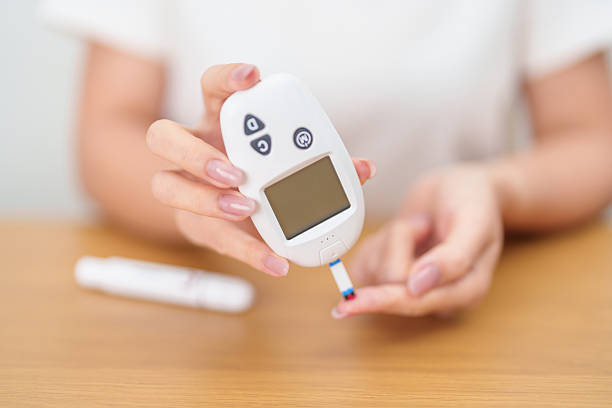
- Uncontrolled diabetes
- Immune system conditions
- Medications that affect bone metabolism
- Osteoporosis therapies such as bisphosphonates
- Conditions that reduce blood flow or healing capacity
A thorough medical history review before implant surgery helps identify patients who may need additional monitoring or modified treatment planning.
Poor Implant Planning or Incorrect Implant Position
Implant placement requires precise positioning, angulation, and depth. When an implant is placed in the wrong position, it can affect how bite forces are distributed, how well the crown fits, how cleanable the area is, and how the implant holds up over time.
Advanced dental implant planning using 3D imaging, CBCT scans, and guided implant placement helps reduce placement errors and improves implant surgical outcomes.
Early Warning Signs of Dental Implant Problems
Do not ignore changes around a dental implant, especially if they persist or worsen over time. Catching a problem early almost always means simpler treatment and a better outcome.
A Loose Dental Implant or Moving Implant Crown
The implant itself should never feel loose or move. If your crown feels loose, it may be a prosthetic or screw issue that can often be repaired. If the implant itself has mobility, that requires prompt evaluation. Either way, do not wait to see if it settles on its own, because movement around an implant typically signals a problem that will not resolve without treatment.
Bleeding, Swelling, or Redness Around the Implant
Bleeding when brushing or flossing around an implant can signal early inflammation. This may indicate peri-implant mucositis, which is the earliest and most treatable stage of peri-implant disease. At this stage, the condition is still limited to the soft tissue and has not yet affected the bone. Addressing it early can stop it from progressing to peri-implantitis.
Pain or Pressure After the Healing Period
Some mild discomfort during the first days or weeks after surgery is expected. Pain or pressure that develops months or years after treatment is not normal and should be evaluated. It may point to bite pressure, infection, inflammation, or a restoration issue. Keeping track of when the discomfort started and what makes it better or worse will help your implant dentist identify the cause more quickly.
Bad Taste, Drainage, or Persistent Bad Breath
These symptoms can suggest bacterial buildup or an active infection around the implant. They are not always obvious, which makes regular implant evaluations important. A bad taste that lingers even after brushing and rinsing is worth mentioning at your next visit. In some cases, it may be the only noticeable sign of a low-grade chronic infection around the implant.
Gum Recession Around a Dental Implant
When gum tissue pulls back from around an implant, it can expose implant components, affect appearance, and make the area harder to clean. Implant gum recession is especially noticeable on front teeth and should be monitored closely. Exposed implant surfaces are also more vulnerable to bacterial buildup, which can accelerate bone loss if left unaddressed. Your implant team can evaluate whether recession is progressing and recommend the appropriate next step.
Difficulty Chewing or a Change in Bite
Bite changes can place abnormal pressure on an implant. This applies to single implants, implant-supported bridges, and full arch restorations. A bite that feels off is worth addressing before it leads to further complications. Over time, an unbalanced bite can stress the bone around the implant and increase the risk of implant loosening or restoration damage.
How Dental Implant Failure Can Be Prevented
Start With Careful Implant Planning
Prevention starts before the first incision. A thorough implant treatment plan includes 3D imaging, bone density evaluation, gum assessment, bite analysis, and a full medical history review. Good implant planning reduces the risk of placement errors and identifies issues that need to be addressed before surgery.
At Carolina Implant, guided implant placement and CBCT imaging are part of how we approach every case with precision from the start.
Treat Gum Disease and Infection Before Implant Placement
Active infection or uncontrolled periodontal disease increases the risk of early implant failure. Stabilizing your oral health before surgery gives your implant the best possible environment to heal and integrate. This may mean completing periodontal treatment or addressing existing infections before your implant date is scheduled. Skipping this step is one of the more preventable reasons implants run into trouble early on.
Protect Bone Support With Grafting When Needed
When bone volume is not adequate, bone grafting or socket preservation may be recommended before or at the time of implant placement. Building a solid implant foundation reduces the risk of implant instability and bone loss over time. Without enough bone support, an implant may not integrate properly, regardless of how well everything else goes. Your implant evaluation will determine whether grafting is part of your treatment plan.
Follow Post-Surgical Healing Instructions
Following your care instructions after surgery matters. This includes eating soft foods, avoiding tobacco, keeping the surgical area clean, taking medications as directed, and attending all follow-up visits. The healing phase is when osseointegration happens, and disrupting that process can affect how well the implant integrates with the bone.
Patients who follow their post-surgical instructions consistently tend to heal more smoothly and with fewer complications.
Maintain Implants With Professional Cleanings
Professional implant maintenance visits allow your provider to check for early signs of inflammation, bone changes, loose components, and bite problems. Catching issues early is far simpler than treating advanced peri-implantitis or replacing a failed implant. Most patients with dental implants benefit from implant hygiene appointments every three to six months, depending on their individual risk factors.
These visits are one of the most reliable ways to protect your investment in long-term implant health. For a full breakdown of what these visits involve and how to care for implants at home, the long-term dental implant maintenance guide for Raleigh patients covers both daily hygiene and professional monitoring in detail.
Use a Night Guard if You Grind Your Teeth
If bruxism is a concern, a night guard can help protect your implant restoration from the repeated stress of clenching and grinding during sleep. Without that protection, the excess force can loosen crowns, fracture restorations, or gradually stress the bone around the implant. A custom-fitted night guard is a straightforward and relatively simple measure that can extend the life of your implant restoration.
Your implant dentist can evaluate your bite and let you know whether a night guard makes sense for your situation.
Can a Failed Dental Implant Be Fixed or Replaced?
The answer depends on the cause of failure, the extent of bone loss, the presence of infection, and the condition of the surrounding tissue. In many cases, there are options, and a thorough evaluation is the right place to start.
When an Implant Problem Can Be Treated Without Removing the Implant
Many implant complications are treatable without removing the implant. Gum inflammation, loose crowns, loose screws, minor bite imbalances, and hygiene-related irritation can often be addressed with targeted treatment and improved home care. If peri-implant mucositis is caught before it progresses to bone loss, professional cleaning and better hygiene habits at home may be enough to resolve the problem.
The key is not waiting too long, because early-stage complications respond much better to conservative treatment than advanced ones do.
When a Failed Implant May Need to Be Removed
If the implant itself is mobile, has a chronic infection that does not respond to treatment, or has lost too much bone support to function safely, removal may be the appropriate step. Continuing to leave a failing implant in place can accelerate bone loss and make future retreatment more difficult. Removal is not the end of the road for most patients, and many go on to successfully receive a replacement implant after the site has healed.
Your implant dentist will walk you through what removal involves and what the path forward looks like for your specific situation.
How Bone Grafting Can Help Prepare for a Replacement Implant
When bone has been lost around a failed implant, grafting can help rebuild the support structure before a replacement implant is placed. This step helps create a healthier site for retreatment. Without adequate bone volume, a new implant faces the same stability challenges that may have contributed to the original failure. Grafting gives the site time to recover and rebuild before a new implant is introduced. Patients who need bone rebuilding before retreatment can learn more about what the extractions and bone grafting process at Carolina Implant involves and how it prepares the jaw for a new implant.
Why Finding the Cause of Failure Matters Before Retreatment
Replacing a failed implant without identifying and correcting the original cause can lead to repeated failure. A careful diagnosis and updated treatment plan is the right starting point for any implant revision or dental implant retreatment. If infection, bite overload, poor hygiene habits, or a systemic health factor contributed to the original problem, those issues need to be addressed before moving forward.
Retreatment planning at Carolina Implant includes a full evaluation to make sure the conditions for success are in place before any new work begins.
Dental Implant Failure FAQs
What are the first signs of dental implant failure?
The most common early signs include looseness, swelling, bleeding around the implant, persistent pain, a bad taste, or a noticeable change in your bite. Any of these symptoms warrants an evaluation with your implant dentist.
Is peri-implantitis the same as gum disease?
They are similar but not identical. Peri-implantitis affects the gum tissue and bone around a dental implant, while gum disease affects the tissues around natural teeth. Both involve bacterial infection and bone loss if left untreated.
Can dental implants fail years later?
Yes. Late implant failure is usually linked to peri-implantitis, bone loss, bite overload, or inadequate long-term maintenance. This is why ongoing implant monitoring matters even after your implant feels stable and comfortable.
Can a loose implant crown be fixed?
In many cases, yes. A loose crown is often a prosthetic issue involving the crown or the screw connecting it to the implant. A loose implant, however, involves the implant post itself and requires a more thorough evaluation.
Does smoking increase implant failure risk?
Yes. Tobacco use affects healing, reduces blood flow to the gum tissue, and increases the risk of infection. Patients who smoke have a higher rate of implant complications compared to non-smokers.
Can a failed dental implant be replaced?
Many patients can have a failed implant replaced after the cause of failure is identified and the site is properly prepared. Bone grafting, infection treatment, and updated planning may all be part of that process.
Schedule a Dental Implant Evaluation in Raleigh, NC
If you are experiencing pain, swelling, bleeding, looseness, or any other concern around a dental implant, Carolina Implant in Raleigh, NC is here to help you get answers.
Our team provides thorough implant evaluations using advanced 3D imaging, on-site diagnostics, and coordinated care under one roof. Whether you are monitoring an existing implant, concerned about symptoms, or planning implant treatment and want to start with a careful plan, we will walk you through your options honestly and without pressure.
Carolina Implant serves patients throughout Raleigh, North Raleigh, Cary, Morrisville, Wake Forest, Apex, Holly Springs, Garner, Durham, and Chapel Hill. Schedule a consultation to discuss your implant health, treatment options, and what the right next step looks like for you.