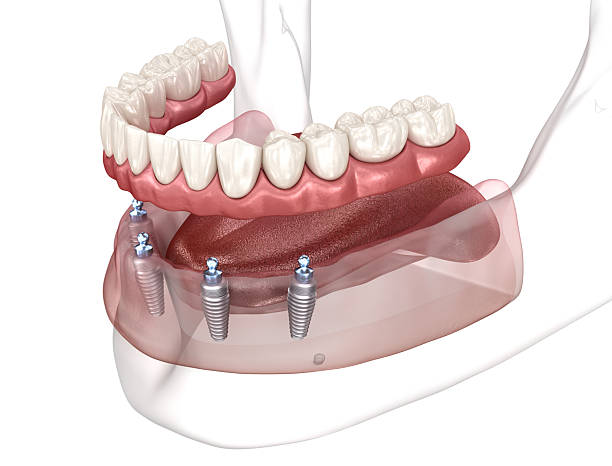
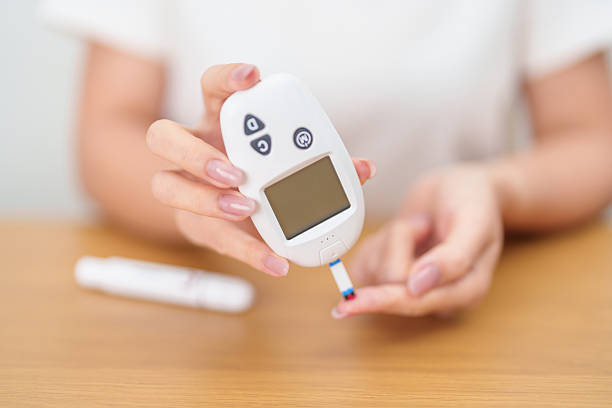
Yes, people with diabetes can get dental implants. Diabetes is not an automatic disqualification. What matters most is how well your blood sugar is managed and how healthy your gums and jawbone are today.
Diabetes and dental implants share one key link: healing. When blood glucose stays high over time, the body can heal more slowly, fight infection less effectively, and develop gum disease more easily. Each of these can affect how an implant bonds with bone and how well it holds up for years.
That is why implant candidacy depends on a personal health assessment, not a diagnosis alone. This guide explains how diabetes affects implant healing, what clinicians review before surgery, and how patients in Raleigh can prepare for a consultation.
Can People With Type 1 or Type 2 Diabetes Get Dental Implants?
Both type 1 and type 2 diabetes can be compatible with dental implant treatment. The diabetes label tells your dental team less than your recent glucose control, oral health, and related conditions. Every patient needs an individual assessment.
Dental Implant Eligibility for Patients With Type 1 Diabetes
Type 1 diabetes requires insulin, and blood glucose can swing widely from day to day. Before surgery, your dental team will want to know how stable your levels have been recently. They will also ask about low blood sugar episodes, since surgery days can disrupt meal schedules.
Planning may include appointment times that fit your insulin routine. When indicated, your implant team may suggest checking in with the clinician who manages your diabetes. Type 1 diabetes alone does not decide the outcome.
Dental Implant Eligibility for Patients With Type 2 Diabetes
Type 2 diabetes may be managed through lifestyle changes, oral medications, insulin, or a combination. Any of these approaches can work alongside implant treatment. The more useful question is how well your current plan keeps glucose in your target range.
Type 2 diabetes can come with related conditions, such as high blood pressure or kidney disease. These conditions and their medications also matter for surgery. Your dental team will review your medication list, periodontal health, and any history of slow-healing sores.
Why Controlled Diabetes and Uncontrolled Diabetes Require Different Treatment Planning
Well-managed diabetes and persistently high blood sugar lead to different plans. With stable control, implant planning can follow the standard treatment sequence, with closer monitoring. With ongoing hyperglycemia, the risks of delayed healing and infection rise. An implant dentist may recommend stabilizing blood sugar before elective surgery.
| Planning Factor | Well-Managed Diabetes | Persistently High Blood Sugar |
|---|---|---|
| Surgery Timing | May proceed after routine review | May be postponed until control improves |
| Healing Outlook | Closer to that of patients without diabetes | Higher risk of delayed healing and infection |
| Gum Health Review | Standard periodontal evaluation | Closer review for active inflammation |
| Follow-Up | Routine maintenance visits | More frequent monitoring may be advised |
A recommendation to wait is a way to lower risk. It does not mean implants are off the table.
How Does Diabetes Affect Dental Implant Healing and Osseointegration?
Diabetes can affect implant healing because it changes how the body repairs tissue. After placement, the jawbone grows into close contact with the implant surface. This process is called osseointegration, and it gives the implant its long-term stability. For a step-by-step look at how dental implants heal, see our healing stages guide. Here, the focus is on how blood sugar can influence that process.
How High Blood Sugar Can Affect Gum and Soft Tissue Healing
Persistently high blood sugar can slow wound healing and weaken the immune response. It can also keep inflammation active longer than normal. At an implant site, the gum tissue may take longer to close and settle around the implant.
A slow-healing surgical site is also more vulnerable to bacteria, which raises the chance of infection during early recovery. Good glucose control supports a healthier environment for the gums to heal.
Does Diabetes Affect Jawbone Healing Around Dental Implants?
Bone is living tissue that constantly rebuilds itself through remodeling. Osseointegration depends on that process. Chronic hyperglycemia can interfere with bone-forming cells, which may slow new bone formation around an implant.
This does not mean people with diabetes lack enough jawbone. Bone volume depends on other factors, such as how long teeth have been missing. Imaging during your evaluation shows how much bone is actually available.
Can Diabetes Increase the Risk of Dental Implant Failure?
Diabetes can raise the risk of implant problems for some patients, particularly with poor blood sugar control. A systematic review in the International Journal of Implant Dentistry found that patients with poorly controlled diabetes developed peri-implantitis more often, especially in the period after placement. They also lost more implants over the long term than people without diabetes. The same review concluded that, under controlled conditions, diabetes still does not rule out implant surgery.
It helps to separate two kinds of problems. Early failure happens when an implant never fully bonds with the bone. Later complications develop after the implant is in use and can include inflammation and bone loss around it.
Does Healing Take Longer for Dental Implant Patients With Diabetes?
Healing can take longer for some patients with diabetes, but no single timeline applies to everyone. Recovery depends on glucose control, bone quality, surgical complexity, and overall health. Some research suggests early implant stability may develop more slowly when blood sugar is high. Your implant dentist will confirm stability before moving to the final restoration.
What Blood Sugar Levels and HbA1c Results Matter Before Dental Implant Surgery?
Your HbA1c result gives your implant team a broader view of blood sugar control than a single reading. Clinicians review it alongside medical history, medications, and oral health.
Why Dentists May Review HbA1c Before Implant Placement
HbA1c, also called A1C, is a blood test that reflects your average blood glucose over roughly the past three months. A finger-stick or glucose monitor shows your level at one moment. HbA1c shows the longer trend.
For surgical planning, that trend matters. Consistently elevated results can point to a higher risk of delayed healing and infection.
Is There a Maximum HbA1c for Dental Implants?
There is no universal maximum HbA1c for dental implants. Published studies group patients using different HbA1c ranges, and clinicians set thresholds based on that evidence and their experience. Your personal target, set with your physician, also matters.
An HbA1c number alone cannot tell you whether you qualify. Your implant dentist will weigh it alongside gum health, bone support, and your overall medical picture.
When Might Dental Implant Surgery Be Delayed?
Implant surgery may be postponed when any of these are present:
- Blood sugar that stays persistently elevated
- An active infection in the mouth or elsewhere
- Gum disease that is not yet under control
- A recent health change that makes you medically unstable
Postponement is a risk-reduction step, not a permanent rejection. Once the issue improves, your dental team can reassess your candidacy.
Why Communication With Your Diabetes Care Team Matters
Your diabetes care team and your implant team each see part of the picture. Bring a current medication list to your consultation, including insulin and oral medications. Share recent lab results if you have them.
If surgery may affect your medication timing, your clinicians will guide any changes. Never stop or adjust insulin or other diabetes medications on your own before a dental procedure.
How Do Gum Disease and Diabetes Affect Dental Implant Candidacy?
Gum disease and diabetes affect each other, and both affect implant planning. For patients with diabetes, controlling gum inflammation is a key step before implant surgery.
Why Diabetes Can Increase Susceptibility to Periodontal Disease
People with diabetes are more likely to develop gum disease, and it can become more severe. Elevated blood glucose fuels inflammation in gum tissue and weakens the body’s response to bacteria. Over time, this can progress to periodontitis, which damages the bone that supports teeth.
The relationship runs both ways. Ongoing gum inflammation can make blood glucose harder to control.
Why Active Gum Disease Should Be Addressed Before Implant Placement
Placing an implant into a mouth with active gum disease raises the risk of infection around the new implant. The bacteria that damage natural teeth can also attack the tissues around an implant. That is why periodontal health needs to be stable before placement.
Treating gum disease lowers risk, but it does not guarantee implant success. Ongoing maintenance still matters. For a closer look at this topic, see our guide to dental implants with gum disease.
What Is Peri-Implantitis, and Why Does It Matter for Patients With Diabetes?
Peri-implantitis is an inflammatory condition that affects the tissues around an implant and causes loss of supporting bone. It differs from the normal tenderness and swelling in the first days after surgery. Signs can include bleeding, swelling, or pus around an implant months or years later. Because poor glucose control is linked to higher peri-implantitis risk, regular checkups help catch inflammation before it reaches the bone.
How Dentists Evaluate Dental Implant Candidates With Diabetes in Raleigh, NC
Evaluating an implant candidate with diabetes follows a careful sequence. Each step adds to a fuller picture of your health, gums, and bone so the plan fits you.
Reviewing Medical History, Diabetes Management, and Medications
Your consultation starts with your health history. Expect questions about:
- Your diabetes type and how long you have had it
- Recent blood glucose control and HbA1c results
- Current medications and supplements
- Smoking or vaping habits
- Other conditions, such as heart or kidney disease
- Past problems with slow healing or infections
Smoking deserves special attention. Combined with diabetes, it can further reduce blood flow and healing capacity.
Examining Gum Health, Missing Teeth, and Jawbone Support
Next comes an oral exam. Your dentist checks for gum inflammation, pocket depths around remaining teeth, decay, and signs of infection. They also assess the gap where teeth are missing and how your bite fits together. This exam shows whether any treatment should happen before implant placement.
Using Dental Imaging to Plan Implant Position and Stability
Imaging shows what an exam cannot. At Carolina Implant, the team uses 3D Cone Beam CT imaging to evaluate bone height, width, and shape in three dimensions. The scans also map nearby structures such as nerves and sinuses. With this information, your implant dentist can plan implant size, angle, and position for stable support.
Creating an Individualized Treatment and Healing Plan
Your findings shape the order of treatment. A plan might include:
- Stabilizing gum health
- Removing failing teeth
- Bone grafting, if bone volume is limited
- Placing the implant
- Attaching the final restoration after healing
Not every patient needs every step, and some steps can be combined. The sequence depends on your health and bone support.
How Can Patients With Diabetes Prepare for Dental Implant Surgery?
Preparation can begin well before your appointment. The goal is to arrive with stable blood sugar, healthy gums, and a clear plan for surgery day.
Maintain Your Prescribed Diabetes Management Plan
Keep following the plan your physician or endocrinologist set for you. Steady habits in the weeks before surgery support steady glucose levels. If you notice recent swings, mention them at your consultation so timing can be adjusted.
Address Gum Inflammation and Existing Oral Infections
Brush twice daily, clean between your teeth every day, and keep up with professional cleanings. Bleeding gums or a known infection need attention before implant placement. Healthy tissue at the start gives the surgical site a better healing environment.
Discuss Meals, Medication Timing, and Surgical Appointments
Surgery can change your usual eating schedule, which affects blood glucose. Fasting rules depend on your anesthesia plan, so local anesthesia and IV sedation may come with different instructions. Ask your implant team and diabetes care team how to time meals and medications. Stock up on soft foods for early recovery.
Understand Follow-Up Visits and Long-Term Implant Maintenance
Follow-up visits let your implant dentist check healing and catch problems early. Plaque control around implants matters as much as around natural teeth. Call the office promptly if you notice increasing pain, swelling, pus, a bad taste, or a loose-feeling implant.
What Are the Long-Term Benefits and Limitations of Dental Implants for Patients With Diabetes?
Dental implants can offer lasting benefits for people with diabetes, along with ongoing responsibilities. Implants do not treat diabetes or lower blood sugar. They replace teeth, and they need care to stay healthy.
Replacing Missing Teeth to Improve Chewing and Food Choices
Missing teeth can make firm foods like raw vegetables, nuts, and lean meats hard to chew. Implant-supported teeth restore stable chewing function, which can make a wider range of foods easier to eat. Whether that changes your nutrition depends on your choices and your care team’s guidance.
Supporting Jawbone Function After Tooth Loss
After a tooth is lost, the jawbone in that area tends to shrink because it no longer receives chewing forces. An implant transmits those forces to the bone locally, which helps maintain it. Normal remodeling and some bone change can still occur over time.
Why Long-Term Monitoring Is Especially Important
Long-term implant health depends on daily hygiene, periodontal maintenance, steady glucose management, and professional reviews working together. Changes in your diabetes control can affect the tissues around an implant. Regular checkups help spot inflammation early, and your implant team may suggest a visit schedule based on your risk.
Frequently Asked Questions About Diabetes and Dental Implants
Are dental implants safe for people with type 2 diabetes?
For people with well-managed type 2 diabetes, dental implants can be a safe tooth replacement option. Safety depends on current glucose control, gum health, bone support, and other medical conditions. An implant dentist reviews each of these before recommending surgery. If control needs to improve first, treatment can be planned for a later date.
Can I get dental implants if I use insulin?
Using insulin does not, on its own, prevent implant treatment. Insulin is a management tool, and the stability of your blood glucose matters more. Your implant team will ask about your insulin routine and any low blood sugar episodes. Never adjust insulin for surgery without guidance from the clinician who manages your diabetes.
What HbA1c is too high for dental implants?
No single HbA1c cutoff applies to everyone. Studies and clinicians use different thresholds, and your personal target matters too. Consistently elevated results point to higher healing and infection risk, which may lead to a delay while control improves. Your implant dentist will interpret your HbA1c alongside your overall health and oral exam.
Do dental implants take longer to heal with diabetes?
Healing may take longer for some people with diabetes, especially when blood sugar runs high. Recovery also depends on bone quality, the type of surgery, and overall health. There is no fixed healing timeline for patients with diabetes. Your implant dentist checks stability at follow-up visits before placing the final restoration.
Can diabetes cause dental implants to fail?
Diabetes can raise the risk of implant failure, mainly when blood sugar is poorly controlled. Elevated glucose can slow bone healing and increase inflammation around the implant. Well-managed diabetes, healthy gums, daily hygiene, and regular checkups all help lower that risk. No implant outcome can be guaranteed for any patient.
Can someone with diabetes receive full-mouth dental implants?
People with diabetes may be candidates for full-mouth dental implants. Full-arch treatment involves more surgical sites, so glucose control, gum health, and bone support receive close review. Your implant team will use imaging and your medical history to decide whether full-arch treatment fits your health and how to stage it.
Do diabetic patients need bone grafting before implants?
Not necessarily. The need for bone grafting depends on how much jawbone is available, not on diabetes alone. Bone loss after missing teeth or past gum disease can make grafting necessary. 3D imaging shows whether you have enough bone, and any grafting adds its own healing phase to the plan.
Should I speak with my doctor before dental implant surgery?
Yes, talking with the clinician who manages your diabetes is a smart step before implant surgery. They can review your recent control, your medications, and any adjustments for surgery day. Share their guidance with your implant team. Clear communication between both teams supports a safer treatment plan.
Schedule a Dental Implant Consultation in Raleigh, NC to Discuss Diabetes and Tooth Replacement
A diabetes diagnosis does not automatically rule out dental implants. With stable blood sugar, healthy gums, and careful planning, implants can realistically replace missing teeth.
At Carolina Implant, Dr. William Daily, DDS, DABOI/ID, and our team evaluate each patient’s health, gum condition, and bone support before recommending treatment. Patients from Raleigh, Cary, Wake Forest, and across the Triangle can schedule a free consultation or call our new patient line at (919) 823-3015. Bring your medication list and recent lab results, and we will talk through the options that fit your health and goals.