
Long-Term Dental Implant Maintenance in Raleigh, NC: How to Keep Your Implants Healthy for Years
Dental implants are designed to be long-term tooth replacements, but they still require consistent daily care and professional maintenance to stay healthy over time. Unlike natural teeth, implants cannot develop cavities, but the gum tissue and bone surrounding them are still vulnerable to plaque, bacteria, and inflammation. Without proper implant hygiene and regular follow-up visits, even well-placed implants can develop complications that affect their stability.
Patients in Raleigh, NC who commit to a long-term implant maintenance routine give their restorations the best chance of lasting for many years. This guide covers everything you need to know about caring for dental implants at home, what professional maintenance involves, and how to protect your implant investment over time.
Why Dental Implant Maintenance Matters for Long-Term Success
Dental implants are artificial tooth roots made from titanium, topped with a crown, bridge, or full arch restoration. While the implant post itself is not living tissue, the gum tissue and bone surrounding it are. Those living structures require ongoing care to stay healthy and continue supporting the implant.
Without proper maintenance, inflammation and bone loss can develop around implants over time, putting the entire restoration at risk.
Dental Implants Can Last for Many Years With Proper Care
Dental implants are built to be a long-term tooth replacement option. With proper care, the titanium post that integrates with your jawbone can remain stable for decades. The crown, bridge, or full arch restoration attached to the implant may require replacement or adjustment over time depending on wear and how well it is maintained.
Long-term dental implant success depends on several factors:
- Daily oral hygiene at home
- Regular professional implant maintenance visits
- Avoiding habits that put excessive stress on restorations
- Managing systemic health conditions that affect oral health
Patients who follow a consistent implant maintenance plan tend to experience fewer complications and longer-lasting restorations. According to the American Academy of Implant Dentistry, dental implants have a high long-term success rate when patients maintain proper hygiene and attend follow-up care visits.
Implants Cannot Get Cavities, But They Can Still Develop Problems
One of the advantages of permanent teeth implants is that the titanium post and ceramic or zirconia crown cannot decay. There is no enamel to erode and no pulp to become infected the way a natural tooth can.
However, the tissue around the implant is still at risk.
Bacteria and plaque can collect along the gumline and under the edges of implant restorations. Over time, this can lead to a condition called peri-implant disease, which affects the soft tissue and bone that hold the implant in place. Peri-implant disease is one of the most common long-term complications associated with dental implants, and it is largely preventable with consistent implant hygiene and professional monitoring.
Why Preventive Implant Care Is Easier Than Implant Repair
Treating implant complications after they develop is more involved, more costly, and takes longer than preventing them in the first place.
When bone loss progresses around an implant, it cannot always be fully reversed. Damaged restorations may need to be replaced. In more advanced cases, the implant itself may need to be removed and replaced, which involves additional surgery and healing time.
Preventive implant care, including daily cleaning and scheduled maintenance visits, protects both your oral health and your financial investment. Keeping dental implants healthy from the start is far simpler than managing complications that develop from neglected hygiene.
Daily Dental Implant Care at Home
Good implant maintenance starts with consistent daily hygiene. Even though implants are artificial, plaque and bacteria can still collect around the gums and restoration surfaces. A thorough daily cleaning routine is one of the most important things you can do to support long-term implant health.
How to Brush Around Dental Implants Properly
Brushing around dental implants requires a gentle but thorough approach. The goal is to clean the implant crown, the gumline around it, and the space where the restoration meets the gum tissue.
Follow these steps for effective implant cleaning:
- Use a soft-bristle toothbrush to avoid scratching the implant crown or irritating the surrounding gum tissue
- Hold the brush at a 45-degree angle toward the gumline, the same technique used for natural teeth
- Brush gently around all surfaces of the implant crown, including the front, back, and sides
- Pay close attention to the gumline where plaque tends to collect
- Brush for at least two minutes, twice daily
An electric toothbrush can be a good option for implant patients. Many electric toothbrushes provide consistent pressure and motion that may make it easier to clean around implant restorations without applying too much force. Look for a model with a soft brush head and a pressure sensor if possible.
Avoid using abrasive toothpastes, whitening toothpastes with harsh grit, or stiff-bristle brushes, as these can scratch implant crown surfaces over time.
Why Flossing Around Implants Is Important
Flossing is a key part of any implant cleaning routine. Plaque accumulates between teeth and around the base of implant restorations just as it does around natural teeth, and a toothbrush alone cannot reach those areas effectively.
For patients with single tooth implants, standard dental floss works well. Wrap the floss around the implant crown in a C-shape and slide it gently below the gumline on both sides to remove plaque buildup.
For patients with implant bridges or full arch restorations, standard floss cannot thread between connected teeth the way it can with individual implants. These patients should use:
- Floss threaders: Allow you to guide floss under a bridge or between connected implant teeth
- Water flossers (oral irrigators): Use a stream of water to flush bacteria and food debris from around implants and under bridge structures
- Interdental brushes: Small brushes that fit between teeth and around implant restorations to remove plaque in tight spaces
Flossing at least once per day helps reduce the risk of inflammation around implant tissue and keeps gum health stable over time.
Best Oral Hygiene Tools for Dental Implant Maintenance
The right tools make it easier to maintain a thorough implant cleaning routine at home. Here is a summary of the most commonly recommended implant hygiene tools:
| Tool | Purpose | Best For |
| Soft-bristle toothbrush | Daily surface cleaning | All implant patients |
| Electric toothbrush | Consistent, gentle cleaning | All implant patients |
| Water flosser / oral irrigator | Flushing under bridges and around gumlines | Bridge and full arch patients |
| Implant floss / floss threaders | Cleaning under connected restorations | Bridge and full arch patients |
| Interdental brushes | Removing plaque from tight spaces | All implant patients |
| Non-abrasive toothpaste | Cleaning without scratching crowns | All implant patients |
| Implant-safe mouthwash | Reducing bacteria around implants | All implant patients |
When selecting oral care products, choose non-abrasive, implant-safe options. Avoid products with baking soda as the primary abrasive, and look for mouthwashes that do not contain high alcohol concentrations, which can dry out gum tissue over time.
Professional Dental Implant Maintenance and Cleanings
Professional implant maintenance visits help remove buildup that patients may miss at home and allow the dentist to monitor gum health, bite pressure, and implant stability. These appointments are a necessary part of long-term implant care, not optional add-ons.
How Often Implant Patients Should Visit the Dentist
Most implant patients benefit from professional maintenance visits every three to six months, though the right frequency depends on individual factors.
Patients who may need more frequent visits include:
- Smokers or former smokers
- Patients with a history of gum disease or periodontitis
- Patients with diabetes or other conditions that affect healing and immune response
- Patients with full arch restorations or multiple implants
- Patients who grind or clench their teeth
Patients with straightforward single tooth implants and good oral hygiene may do well with twice-yearly visits. Your implant provider will help determine the right maintenance schedule based on your specific oral health history and implant type.
What Happens During an Implant Maintenance Appointment
A professional implant maintenance appointment covers more than a standard cleaning. Your provider will evaluate the full health of your implant restoration and the tissue surrounding it.
A typical implant maintenance visit includes:
- Professional implant cleaning: Removal of plaque and tartar from around implant restorations using instruments that are safe for titanium and ceramic surfaces
- Gum tissue measurements: Checking the depth of the tissue pocket around each implant to detect early signs of inflammation or peri-implant disease
- X-rays as needed: Monitoring bone levels around the implant post to detect any bone changes over time
- Bite evaluation: Assessing how the implant restoration meets the opposing teeth to identify any bite pressure imbalances
- Prosthetic component check: Evaluating whether implant crowns, abutments, or prosthetic screws are secure and undamaged
These appointments give your provider a clear picture of how your implants are performing and allow for early intervention if any issues are developing.
Why Full Arch and All-on-4 Patients Need Specialized Maintenance
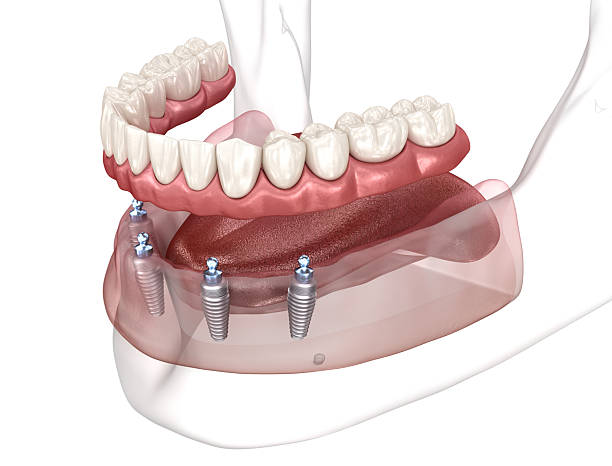
Patients with full arch restorations, including All-on-4 and All-on-6 implant systems, require a different maintenance approach than patients with single tooth implants. The connected bridge structure spans the full arch and creates areas underneath that are harder to access with standard home hygiene tools.
Full arch implant maintenance often includes:
- Professional removal of the prosthesis at scheduled intervals to allow thorough cleaning of both the bridge and the implant abutments underneath
- Assessment of the connecting components and prosthetic screws
- Monitoring of all implant sites across the arch for tissue health and bone stability
- Evaluation of the prosthesis surface for wear, especially for acrylic full arch restorations
All-on-4 maintenance visits are typically more detailed than standard implant cleanings. Patients with full mouth dental implants in Raleigh should work with a provider experienced in full arch implant care to make sure all components are properly evaluated at each visit.
Signs of Dental Implant Problems Patients Should Never Ignore
Dental implants are not supposed to feel loose, painful, or swollen. These are not normal long-term sensations. Early detection of implant complications can help prevent more serious bone and gum damage, so it is worth knowing what to watch for between appointments.
Bleeding or Swollen Gums Around an Implant
Some minor bleeding immediately after implant placement is expected during healing. However, if you notice bleeding around an implant that has already fully healed, that is a sign worth taking seriously.
Bleeding or swollen gums around an implant can indicate peri-implant mucositis, which is an early-stage inflammation of the gum tissue surrounding the implant. At this stage, the condition is typically reversible with professional treatment and improved home hygiene.
If left untreated, peri-implant mucositis can progress to peri-implantitis, which involves bone loss and is more difficult to manage. Early treatment is far more effective than waiting until symptoms worsen.
Bad Breath or Taste Around Dental Implants
Persistent bad breath or an unpleasant taste near an implant restoration can indicate trapped bacteria. This is especially common in patients with implant bridges or full arch restorations where food debris can collect in hard-to-reach areas underneath the prosthesis.
Bad breath around implants may also be a sign of:
- Early-stage gum inflammation
- Infection around the implant site
- A loose or damaged restoration that is trapping bacteria
If improved cleaning does not resolve the issue within a few days, schedule an evaluation with your implant provider.
Loose Implant Crowns or Implant-Supported Teeth
A loose implant crown does not always mean the implant post itself has failed. In many cases, a crown or bridge can loosen at the connector point, called the abutment, or a prosthetic screw may have worked loose over time.
Either way, a loose implant restoration requires professional evaluation. Leaving a loose crown or bridge in place can put uneven pressure on the implant, increase the risk of damage to the prosthetic components, and allow bacteria to enter the space around the abutment.
Contact your implant provider as soon as possible if you notice any movement in your implant crown or implant-supported teeth.
Pain or Pressure Around Dental Implants
Mild discomfort during the initial healing period after implant surgery is expected. However, pain or persistent pressure around a fully healed implant is not normal and should be evaluated.
Possible causes of pain around a dental implant include:
- Bite pressure imbalance where the implant crown is hitting too hard against opposing teeth
- Inflammation or infection in the surrounding gum tissue
- Bone changes around the implant post
- Excess stress on the implant from grinding or clenching
Do not wait for pain to resolve on its own. Early evaluation allows your provider to identify and address the cause before it leads to more significant complications.
Peri-Implantitis: The Gum Disease That Can Affect Dental Implants
Peri-implantitis is an inflammatory condition that affects the gum tissue and bone surrounding dental implants. It is one of the more serious long-term complications associated with implant restorations. Without treatment, peri-implantitis can lead to progressive bone loss and implant instability.
Understanding what causes it and how to recognize it early is an important part of long-term implant care.
What Causes Peri-Implantitis?
Peri-implantitis develops when bacteria accumulate around the implant and the body’s inflammatory response begins to damage the surrounding tissue and bone. Several factors increase the risk:
| Risk Factor | How It Affects Implant Health |
| Poor oral hygiene | Allows plaque and bacteria to build up around implant tissue |
| Smoking | Reduces blood flow and immune response, increasing infection risk |
| History of gum disease | Patients with periodontitis are at higher risk for peri-implant disease |
| Uncontrolled diabetes | Impairs healing and immune function, making infections harder to control |
| Infrequent professional maintenance | Allows undetected buildup and inflammation to progress |
| Excess cement around restoration | Can trap bacteria under the gumline after crown placement |
According to a systematic review and meta-analysis published in the Journal of Oral & Maxillofacial Research, peri-implantitis affects a significant portion of implant patients over time, with higher risk among smokers and patients with a history of periodontal disease.
Early Warning Signs of Peri-Implant Disease
Catching peri-implantitis in its early stages makes a meaningful difference in treatment outcomes. Watch for these signs:
- Bleeding around the implant when brushing or flossing
- Red or swollen gum tissue near the implant base
- Gum recession around the implant where the metal post becomes more visible
- Discomfort or tenderness when pressing on the gum tissue near the implant
- Bone loss detected on dental X-rays during a maintenance visit
- Pocketing around the implant where the gum tissue has separated from the implant surface
Many patients with early peri-implant disease do not notice any pain, which is why professional monitoring at regular implant checkups is so important. X-rays and gum measurements during a maintenance appointment can detect bone and tissue changes before symptoms appear.
How Professional Maintenance Helps Prevent Implant Disease
Routine professional maintenance plays a direct role in preventing peri-implantitis. During each visit, your provider removes calcified deposits and bacterial buildup that home hygiene tools cannot fully address.
Professional implant hygiene appointments also allow your provider to:
- Detect early gum changes before they progress to bone loss
- Adjust your home care routine if certain areas are being missed
- Identify and address bite pressure imbalances that stress the implant
- Monitor bone levels with X-rays to catch any changes early
Patients who attend regular implant maintenance appointments are far less likely to develop advanced peri-implant disease compared to those who skip follow-up care.
Long-Term Maintenance for Full Arch and All-on-4 Dental Implants
Full arch restorations require a different maintenance approach because multiple implants and connected teeth create areas that are harder to clean thoroughly at home. Patients with All-on-4 implants in Raleigh, All-on-6 restorations, or other full mouth dental implants need both a strong home care routine and specialized professional maintenance visits.
Cleaning Under Full Arch Implant Bridges
The space between the gumline and the underside of a full arch bridge is one of the most important areas to clean, and one of the hardest to reach. Food debris, bacteria, and plaque can collect in this space daily if not actively removed.
Effective tools for cleaning under full arch implant bridges include:
- Water flossers: A water flosser with a dedicated implant tip is one of the most effective tools for flushing underneath full arch bridges. Daily use helps remove debris and reduce bacterial buildup in areas that standard floss cannot reach
- Floss threaders with implant floss: Threading floss under the bridge and moving it in a gentle back-and-forth motion cleans the undersurface of the prosthesis and the gum tissue below it
- Interdental brushes: Where space allows, small interdental brushes can be used along the sides of abutment areas to remove plaque close to the gumline
Cleaning underneath a full arch bridge should be part of your daily routine. Skipping this step allows bacteria to accumulate in an area that is at high risk for tissue inflammation.
Why Bite Monitoring Matters for Full Mouth Implants
When multiple implants support a connected full arch restoration, the bite forces across the arch need to be balanced carefully. If the bite is uneven, certain implants may bear more pressure than others over time.
Excessive bite pressure, also called implant overload, can stress the bone around the implant, loosen prosthetic components, and increase the risk of damage to the restoration itself.
Signs that a bite evaluation may be needed include:
- Feeling like certain teeth hit harder than others when biting
- Soreness or pressure in specific areas of the jaw
- A restoration that feels slightly off or shifted
Your implant provider will evaluate your bite at maintenance visits and make adjustments as needed. Do not ignore changes in how your bite feels, even if they seem minor.
Night Guards and Implant Protection
Teeth grinding, also known as bruxism, puts significant stress on dental implants and their restorations. The force generated during nighttime grinding can exceed normal biting forces by a wide margin, which puts both the implant post and the prosthetic components at risk.
For patients with zirconia or acrylic full arch restorations, unmanaged bruxism can lead to:
- Wear or fracture of the prosthetic material
- Loosening of prosthetic screws
- Excess stress on bone around the implants
A custom night guard is one of the most straightforward ways to protect implant-supported restorations from bruxism-related damage. Your implant provider can fabricate a night guard designed specifically to fit your restoration and distribute bite pressure more evenly during sleep.
If you know you grind your teeth, discuss night guard options at your next implant maintenance appointment.
Foods, Habits, and Lifestyle Factors That Affect Implant Longevity
Dental implants are durable, but daily habits and overall health can affect how long they remain stable and healthy. Some of the most significant factors are within your control.
Smoking and Dental Implant Health
Smoking is one of the strongest risk factors for implant complications. Tobacco use affects the blood supply to gum tissue, which slows healing and reduces the body’s ability to fight infection around implants.
Long-term smoking increases the risk of:
- Peri-implantitis and gum inflammation around implants
- Slower healing after implant procedures
- Bone loss around the implant post
- Higher rates of implant complications over time
According to the National Institute of Dental and Craniofacial Research, tobacco use is associated with higher rates of implant failure compared to non-smokers. Patients who quit smoking before and after implant treatment tend to have better long-term outcomes.
If you currently smoke, speaking with your implant provider about cessation support is one of the most impactful steps you can take to protect your implants.
Teeth Grinding and Implant Wear
Clenching or grinding teeth, whether during the day or at night, places mechanical stress on implant restorations that goes beyond normal chewing forces. Over time, this can cause:
- Fractures in the prosthetic crown or bridge material
- Loosening of prosthetic screws or abutments
- Excess pressure on the bone supporting the implant
Many patients who grind their teeth are not aware they do it, particularly if it happens during sleep. Signs of bruxism include waking with jaw soreness, headaches near the temples, or visible wear on tooth surfaces.
A night guard custom-made for your restoration, along with stress management strategies if grinding is stress-related, can significantly reduce the impact of bruxism on your implant restorations.
Diet and Oral Health for Implant Patients
What you eat has a direct effect on oral health and implant longevity. While implant crowns and bridges cannot decay, the gum tissue and bone surrounding them benefit from good nutrition.
Diet recommendations for implant patients:
- Eat a balanced diet that includes adequate calcium and vitamin D to support bone health around implants
- Stay hydrated, as dry mouth increases bacterial concentration in the mouth
- Limit sugary and acidic foods and beverages, which increase bacterial activity around gum tissue
- Avoid extremely hard foods like ice or hard candies that can fracture prosthetic components
- Eat crunchy fruits and vegetables, which help stimulate gum tissue and promote circulation
Good nutrition supports the overall immune function and tissue health that keeps implants stable over the long term.
How Raleigh Patients Can Protect Their Dental Implant Investment
Dental implants are both a health investment and a financial investment. Long-term maintenance helps patients protect the stability, appearance, and function of their implant restorations. Patients in Raleigh and across the Triangle area, including those traveling from Cary, Durham, Chapel Hill, Wake Forest, and Apex, can take clear steps to protect their implant restorations for years to come.
Why Routine Maintenance Protects Implant Longevity
Patients who attend regular implant maintenance appointments and follow a consistent home care routine experience better long-term outcomes than those who do not.
Routine professional maintenance:
- Removes hardened deposits that home hygiene cannot address
- Catches early signs of gum inflammation or bone changes before they progress
- Keeps prosthetic components secure and properly adjusted
- Extends the functional life of the restoration itself
- Reduces the likelihood of needing costly repairs or replacement procedures
Skipping maintenance visits may seem like a way to save time, but it increases the risk of complications that are far more involved to treat than the problem they could have prevented.
Choosing an Experienced Implant Maintenance Provider in Raleigh, NC
Not all dental providers have the same level of experience with implant-specific monitoring and full arch maintenance. Implant maintenance requires familiarity with how different restoration types, including single crowns, implant bridges, and full arch prostheses, need to be evaluated and cleaned at each visit.
When selecting a provider for implant maintenance in Raleigh, NC, look for a practice that:
- Has experience with both single tooth implants and full arch restorations
- Uses 3D imaging and digital X-rays to monitor bone levels accurately
- Evaluates prosthetic components at each visit, not just gum tissue
- Offers maintenance scheduling for All-on-4, All-on-6, and other full mouth implant systems
- Can address implant complications in-house without sending patients elsewhere
Carolina Implant in Raleigh provides implant-specific maintenance care for both single and full arch implant patients, with on-site technology and coordinated care designed to monitor and protect your implants over the long term.
FAQs About Dental Implant Maintenance
How do you clean dental implants?
Clean dental implants twice daily using a soft-bristle toothbrush and non-abrasive toothpaste. Brush gently around the gumline and all surfaces of the implant crown. Floss at least once daily, using floss threaders or a water flosser if you have a bridge or full arch restoration. Add an implant-safe mouthwash to your routine to help reduce bacteria around implant tissue.
Can dental implants get infected?
Dental implants themselves cannot develop an infection the way a natural tooth can. However, the gum tissue and bone around an implant can become infected. This is called peri-implant disease. Symptoms include swelling, bleeding, bad breath, and discomfort near the implant. Early treatment is more effective than waiting for symptoms to worsen.
How often should implant patients get cleanings?
Most implant patients should schedule professional maintenance visits every three to six months. Patients who smoke, have a history of gum disease, or have full arch restorations may need more frequent visits. Your implant provider will recommend a maintenance schedule based on your individual health history and implant type.
Do All-on-4 dental implants require special maintenance?
Yes. All-on-4 implants and other full arch restorations require a more detailed maintenance approach than single tooth implants. Patients need to clean under the bridge daily using a water flosser and floss threaders. Professional maintenance visits for All-on-4 restorations often include removal of the prosthesis to allow thorough cleaning of both the bridge and the implant abutments, along with evaluation of all prosthetic components.
Can dental implants fail years later?
Yes, implant complications can develop years after placement. Late implant problems are often related to peri-implantitis, bite issues, or unmanaged bruxism. Regular professional maintenance reduces the risk of late-stage complications by catching early warning signs before they progress.
Are water flossers safe for dental implants?
Yes. Water flossers are generally safe and recommended for implant patients, particularly those with bridges or full arch restorations. Use a medium pressure setting and direct the tip along the gumline and under bridge structures. Water flossers are effective at removing bacteria and debris from areas that standard floss cannot reach.
How long do dental implants last with proper care?
With proper home care and regular professional maintenance, the titanium implant post can remain stable for decades. The crown, bridge, or full arch restoration attached to the implant may need replacement or adjustment over time depending on wear and material. Patients who maintain consistent hygiene and attend scheduled maintenance visits tend to achieve the best long-term outcomes.
What happens if implants are not cleaned properly?
Inadequate implant cleaning allows plaque and bacteria to accumulate around the gum tissue and implant base. Over time, this can lead to peri-implant mucositis and eventually peri-implantitis, which involves bone loss around the implant. Without treatment, peri-implantitis can compromise implant stability and may result in the need for more complex care. Consistent daily cleaning is one of the most effective ways to prevent these outcomes.
Schedule a Dental Implant Maintenance Visit in Raleigh, NC
Protecting your implants long-term starts with a consistent maintenance plan that includes both daily home care and professional follow-up visits. Whether you have a single tooth implant, an implant bridge, or a full arch restoration, routine implant checkups allow your provider to monitor bone health, gum tissue, prosthetic components, and bite pressure before small issues become larger ones.
Carolina Implant in Raleigh, NC offers implant maintenance care for patients at every stage of their implant journey, from newly placed single implants to full arch restorations that have been in place for years. Our team uses on-site imaging and coordinated care to give you a clear picture of your implant health at every visit.
Request a visit at Carolina Implant today to schedule your implant maintenance appointment in Raleigh. Patients from across the Triangle area, including Cary, Durham, Chapel Hill, Wake Forest, Apex, Holly Springs, and Garner, are welcome.
This article is intended for educational purposes and does not replace personalized dental advice. Contact your implant provider for guidance specific to your restoration and oral health history.

Carolina Implant Dental Center is a comprehensive implant practice in Raleigh, North Carolina, dedicated to providing high-quality dental implant care at an affordable price. The team offers everything from extractions and bone grafting to single implants and full-arch restorations, allowing patients to complete their treatment under one roof. By combining advanced technology, specialized expertise, and a personalized approach, Carolina Implant helps patients restore their smiles with confidence and convenience.