
Socket Preservation After Tooth Extraction in Raleigh, NC: Why It Matters for Dental Implants
When a tooth needs to come out, most patients are focused on the extraction itself. But if you are thinking about replacing that tooth with a dental implant, what happens to the bone after extraction matters just as much as the removal itself.
In Raleigh, NC, patients who are considering dental implants after an extraction often ask whether they need a bone graft or socket preservation at the same time. The answer depends on your situation, but understanding what socket preservation does and why it is recommended can help you make a more informed decision with your implant team.
What Is Socket Preservation After Tooth Extraction?
Socket preservation is a bone grafting procedure performed immediately after a tooth is removed. Its purpose is to help maintain the natural shape and volume of the jawbone at the extraction site. When future implant placement is part of the plan, preserving that bone from the start can make the implant process more predictable.
What Happens to the Tooth Socket After Extraction
Your tooth root did more than anchor the tooth. It provided constant stimulation to the surrounding bone, which signaled the body to maintain bone density in that area.
After a tooth extraction in Raleigh or anywhere else, the bone that once surrounded the root begins to remodel. Without the root providing that daily stimulation, the body no longer receives a signal to maintain full bone volume at the site.
Over time, this leads to ridge collapse, a process where the jawbone shrinks in height and width. Studies have shown that up to 50% of bone volume can be lost within the first year after extraction, with the greatest changes happening in the first three to six months.
This jaw shrinkage after extraction is not a rare complication. It is a predictable biological response that happens to varying degrees in most patients.
How Socket Preservation Protects the Jawbone
Socket preservation, also called ridge preservation or an extraction socket graft, works by placing bone graft material directly into the empty socket immediately after the tooth is removed.
The graft material acts as a scaffold. It supports the walls of the socket, slows resorption, and helps maintain bone volume during healing. A collagen membrane is often placed over the graft to protect the site and keep the material in place while the tissue heals above it.
The goal is not to grow new bones overnight. It is to preserve the existing bone volume and contour so that it remains available for future implant placement.
How Socket Preservation Supports the Dental Implant Process
Dental implants are placed directly into the jawbone. They function like artificial tooth roots and depend on having enough bone in the right location to achieve stable, long-term placement.
When socket preservation is performed at the time of extraction, it gives the implant team a better foundation to work with when it comes time to plan the tooth implant process. More bone volume means more predictable implant positioning, better aesthetics, and fewer complications during placement.
Without preservation, the bone may shrink to a point where additional and more complex grafting is required before an implant can even be placed.
Why Socket Preservation Matters Before Dental Implants
Dental implants need enough healthy bone for stable placement. Socket preservation can help reduce bone loss after extraction, which may improve future implant options and support a smoother dental implant process overall.
Dental Implants Need Bone for Stability
A dental implant is a titanium post placed into the jawbone. Over time, the implant fuses with the surrounding bone through a process called osseointegration. This fusion is what gives the implant its long-term stability.
For osseointegration to occur, there needs to be enough bone in both height and width to fully surround the implant. When bone volume is insufficient, implant stability is compromised and placement may not be possible without additional procedures.
Think of it like setting a fence post. A deep, solid anchor holds securely. A shallow anchor in loose or thin ground does not.
Bone Loss Can Make Implant Placement More Complex
When ridge collapse occurs after extraction, the implant dentist has less bone to work with during planning. This can lead to a few outcomes, none of which are simple.
In some cases, a separate ridge augmentation or bone grafting procedure in Raleigh is required before the implant can be placed. This adds time to the overall dental implant timeline, requires an additional healing period, and increases the overall cost and complexity of treatment.
In other cases, bone loss may change where or how an implant can be placed, affecting the final aesthetic result, especially for front teeth.
Preserving the Socket May Reduce the Need for Future Grafting
Socket preservation at the time of extraction does not guarantee that no future grafting will be needed. Every patient’s bone density, health history, and healing response is different.
What it can do is reduce the extent of bone loss that occurs during the early healing period. In many cases, this means the implant can be placed with less or no additional grafting compared to a site where no preservation was performed.
Your implant team will evaluate the site before making any recommendations.
Who Should Consider Socket Preservation in Raleigh, NC?
Socket preservation is often considered when a removed tooth may be replaced with a dental implant. The need depends on the tooth location, bone condition, any infection present, and your long-term tooth replacement plan.
Patients Planning to Replace a Tooth With an Implant
If you are planning to replace the extracted tooth with a dental implant, socket preservation is worth a serious conversation with your implant team.
The socket preservation procedure is most beneficial when performed at the time of extraction because it takes advantage of the fresh socket. Waiting until bone loss has already occurred requires a different type of grafting that is often more involved.
Whether you are looking at a single tooth implant in Raleigh or a more extensive implant-supported restoration, the timing of preservation is an important part of long-term planning.
Patients With Thin Bone or Gum Recession
Some patients have naturally thin jawbone or gum tissue that provides limited support around the tooth root. After extraction, these patients are at higher risk for significant ridge collapse.
Front teeth in particular require careful planning. The thin labial bone on the outside of front teeth is especially vulnerable to resorption. For patients with gum recession or limited bone thickness, socket preservation combined with soft tissue management may be part of the recommended plan for front tooth implant replacement.
Your implant dentist in Raleigh will evaluate bone thickness and gum tissue support before recommending a grafting approach.
Patients With Infection, Trauma, or a Broken Tooth
When a tooth is lost due to infection, abscess, or trauma, the bone surrounding the tooth may already be damaged or compromised. In these situations, the socket may not provide the same stable environment for grafting as a non-infected extraction site.
Your implant team will need to evaluate the socket carefully, treat any active infection, and determine whether socket preservation is appropriate at the time of extraction or whether it should be staged. Some cases require the infection to fully clear before grafting can be placed successfully.
Socket Preservation vs. Bone Grafting: What Is the Difference?
Socket preservation is a type of bone grafting, but the timing makes it a distinct procedure. Understanding the difference helps patients plan their tooth implant process more realistically.
Socket Preservation Is Done at the Time of Extraction
Socket preservation, also called immediate socket preservation or extraction site bone grafting, is placed directly into the fresh socket immediately after the tooth is removed.
This is the most important distinction. The tooth extraction and bone graft procedure happen during the same appointment. The socket walls are still intact, which helps contain the graft material and supports better outcomes in many cases.
The bone graft after tooth extraction placed at this stage supports the healing socket as it fills in with new bone tissue over the following months.
Ridge Augmentation May Be Needed Later if Bone Has Already Shrunk
If socket preservation was not performed at the time of extraction, or if significant bone loss has already occurred, a different procedure called ridge augmentation may be required later.
Ridge augmentation is more involved. Because the bone has already changed shape, the grafting process must rebuild what was lost rather than simply maintain what exists. This often requires a longer healing period and more complex surgical planning before an implant can be placed.
This is not a failure, but it does add steps and time to the process for getting a dental implant.
Why Timing Can Affect the Tooth Implant Process
The earlier bone preservation is addressed, the smoother the dental implant process tends to be. When socket preservation is performed at the time of extraction, the overall treatment timeline from extraction to implant placement is often more predictable than in cases where bone loss occurred and additional grafting is required later.
Patients who skip preservation and later decide they want an implant may face a longer road to get there. Discussing the full plan at your consultation before extraction is the most effective approach.
What Happens During a Tooth Extraction and Socket Preservation Procedure?
The socket preservation process usually takes place during the same appointment as the tooth extraction. The goal is to remove the tooth carefully, clean the socket, place the graft material, and protect the site while healing begins.
Step 1: Evaluating the Tooth and Bone
Before any extraction, your implant dentist will review your dental and medical history, take detailed imaging, and evaluate the condition of the bone around the tooth.
At a practice like Carolina Implant in Raleigh, this includes 3D CBCT imaging that provides a precise view of bone volume, bone density, root position, and surrounding anatomy. This imaging is critical for both extraction planning and future implant placement planning.
If infection is present, the team will assess whether grafting is appropriate at the time of extraction or should be delayed.
Step 2: Removing the Tooth Carefully
The extraction itself is performed with care to preserve as much surrounding bone as possible. This is sometimes called an atraumatic extraction technique, which involves using specialized instruments to gently loosen and remove the tooth while minimizing trauma to the socket walls and surrounding tissue.
For dental extractions in Raleigh that are being performed in preparation for future implants, protecting the bone during removal is a priority, not an afterthought.
Step 3: Placing Bone Graft Material in the Socket
After the tooth is removed and the socket is cleaned, graft material is carefully packed into the socket. The material fills the space left by the tooth root and supports the socket walls during healing.
The type of graft material used depends on the clinical situation, the size of the socket, the patient’s health, and the treatment plan. Your dentist will discuss the options with you before the procedure.
Step 4: Protecting the Site During Healing
A collagen membrane is often placed over the graft to keep the material in place and protect the site from disruption during early healing. Sutures are placed to close the gum tissue over the socket.
After the procedure, you will receive post-operative instructions covering diet, activity restrictions, oral hygiene around the site, and what to watch for during healing. Following these instructions closely supports the best possible outcome.
What Types of Bone Graft Materials Are Used for Socket Preservation?
Different graft materials can be used for socket preservation depending on the patient’s needs, the extraction site, and the dentist’s treatment plan.
Allograft, Xenograft, Synthetic, and Autograft Materials
There are four main categories of dental bone graft material used in socket preservation:
| Graft Type | Source | Notes |
| Allograft | Donor bone (human cadaver) | Processed and sterilized; eliminates secondary surgical site |
| Xenograft | Animal-derived (typically bovine) | Well-studied; integrates gradually with natural bone |
| Synthetic | Lab-manufactured material | Biocompatible; no donor source required |
| Autograft | Patient’s own bone | Gold standard biologically; requires harvesting from a second site |
Each material has clinical strengths. The debate around autograft vs. allograft vs. xenograft is ongoing in implant dentistry, but all four can support successful socket healing when selected appropriately for the case.
Your implant dentist will recommend the material that makes the most sense for your bone volume, implant timing, and overall health.
PRF and Healing Support After Extraction
In some cases, platelet-rich fibrin (PRF) may be incorporated into the socket preservation procedure. PRF is derived from a small sample of the patient’s own blood, which is processed to concentrate growth factors that support tissue repair and bone healing.
When used alongside graft material, PRF for socket preservation may support more efficient healing at the extraction site. At Carolina Implant, PRF is available as part of the treatment protocol when clinically appropriate.
How the Dentist Chooses the Right Graft Material
Material selection is not one-size-fits-all. The implant team considers several factors when choosing the right socket graft material:
- The size and shape of the bone defect
- Whether implant placement will be immediate or delayed
- The patient’s overall health and healing capacity
- The location of the extraction (front tooth vs. molar)
- Clinical preference and long-term predictability
The goal is to select a material that supports bone volume maintenance and integrates well with the existing bone structure over the healing period.
Healing After Socket Preservation: What Raleigh Patients Should Expect
Healing after socket preservation happens in stages. The gum tissue heals first, while the grafted bone continues to mature and consolidate underneath before an implant can be placed.
First Few Days After Extraction and Bone Grafting
The first 72 hours after an extraction socket graft are the most important for clot protection and early healing.
Most patients experience:
- Soreness at the extraction and graft site
- Mild to moderate swelling, peaking around day two or three
- Some minor bleeding that resolves within the first 24 hours
During this time, patients are advised to:
- Eat soft foods and avoid hard or crunchy items
- Avoid smoking or using tobacco, which significantly impairs healing and graft integration
- Not disturb the clot by rinsing forcefully or using a straw
- Take prescribed medications as directed
- Keep the area clean using gentle techniques recommended by the team
The gum tissue typically closes over the graft site within the first one to two weeks.
Bone Healing and Implant Readiness
Below the surface, bone healing after extraction takes longer than soft tissue healing. The grafted material serves as a scaffold while the body gradually replaces it with new bone.
This bone maturation process takes time. The new bone needs to reach sufficient density and volume before an implant can be placed into it. The exact pace of healing varies based on graft material, socket size, the patient’s age and health, and other factors.
Your implant team will monitor healing at follow-up appointments and use imaging to evaluate the grafted site before moving forward with the tooth implant process.
When the Dental Implant Can Be Placed
Implant placement timing after socket preservation is not a fixed number on a calendar. It depends on bone healing progress, confirmation through imaging that the site is ready, infection control, and the overall treatment plan.
Your dentist will let you know when the bone at the extraction site has matured enough to support implant placement. Rushing this stage does not benefit the patient. Allowing proper healing leads to better implant stability and long-term outcomes.
For more on the extraction to implant timeline and what affects placement scheduling, speak with your implant team at your consultation.
Is Socket Preservation Always Necessary After Tooth Extraction?
Not every extraction requires socket preservation. But it is often recommended when dental implants are part of the long-term plan.
When Socket Preservation Is Strongly Recommended
Socket preservation is most commonly recommended in these situations:
- A dental implant is planned for the extraction site
- The extracted tooth is in a visible area, especially front teeth where bone and gum contour affect aesthetics
- The patient has thin jawbone or existing gum recession
- Multiple missing teeth are being planned for implant replacement
- The tooth was lost due to infection or trauma that may have already damaged surrounding bone
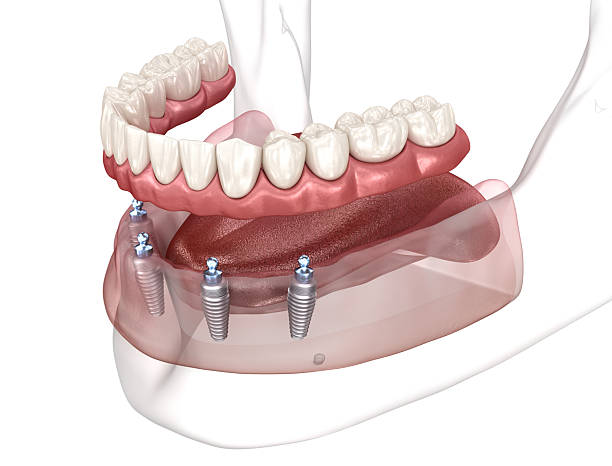
- The patient is a candidate for full arch implants or All-on-4 dental implants and extraction and bone support are part of a coordinated plan
When It May Not Be Needed
Socket preservation is generally not necessary in these situations:
- Wisdom tooth extraction, where the area will not be restored with an implant
- Teeth being removed with no plan for implant replacement
- Sites with adequate existing bone and no implant-based restoration planned
- Certain medical or health considerations that affect candidacy for grafting
Your implant team will review your case and make a recommendation based on your specific clinical picture.
Why Skipping Socket Preservation Can Limit Future Implant Options
Choosing not to proceed with socket preservation at the time of extraction does not permanently eliminate implant options for most patients. But it does frequently add steps.
When significant ridge collapse occurs, the jawbone may shrink enough that a separate ridge augmentation or block grafting procedure becomes necessary before an implant can be placed. This requires additional healing time, adds cost, and increases the complexity of the overall dental implant procedure.
For patients who are already committed to getting an implant, skipping socket preservation often costs more time and money in the long run than performing it at the time of extraction.
Socket Preservation Cost and Dental Implant Planning in Raleigh, NC
The cost of socket preservation depends on the extraction, graft material, imaging, and whether the procedure is part of a larger dental implant plan.
What Affects the Cost of Socket Preservation?
Several factors influence the total cost of a tooth extraction and bone graft procedure:
| Factor | Why It Affects Cost |
| Tooth location | Molars and multi-rooted teeth may require more graft material |
| Graft material type | Autograft, allograft, xenograft, and synthetic materials vary in cost |
| Extraction complexity | Surgical extractions cost more than simple extractions |
| Imaging | CBCT 3D imaging adds cost but is important for implant planning |
| Membrane use | Collagen membranes are often required and add to the material cost |
| Sedation | IV sedation or other anesthesia options affect total procedure cost |
The cost of bone grafting in Raleigh, NC varies by provider and case complexity. A consultation with an implant dentist will give you a clearer picture of what to expect for your specific situation.
Why Socket Preservation Can Protect the Long-Term Implant Investment
A dental implant is a significant investment in your oral health. Socket preservation at the time of extraction can help protect that investment by maintaining the bone foundation the implant will eventually rely on.
When bone is preserved early, the implant team has more to work with later. This can translate into fewer complications during placement, better implant positioning, and a result that holds up over time.
Skipping preservation to save on upfront cost sometimes leads to more extensive and expensive grafting procedures later. The decision should be made with full awareness of both the short-term and long-term implications.
Affordable Implant Planning Without Cutting Corners
Affordability is a real concern for most patients considering dental implants in Raleigh, NC. The goal is not to find the cheapest option but to find a provider who can offer quality planning at a cost that works for your situation.
At Carolina Implant, treatment is planned with transparency. The team explains what each step involves, why it is recommended, and what the alternatives are. Flexible financing options are available to help patients move forward with a plan that fits their budget without compromising on the care that makes implants successful.
FAQs About Socket Preservation and Dental Implants
Do I have to get a bone graft after tooth extraction?
No, a bone graft is not always required after every extraction. It is typically recommended when a dental implant is planned for the site, when the bone is thin, or when the tooth is in an area where maintaining ridge shape is important for future restoration. Your implant dentist will assess your bone and help you decide.
Is socket preservation the same as bone grafting?
Yes, socket preservation is a form of bone grafting. The distinction is timing: socket preservation happens immediately after extraction, while other grafting procedures may be done later as a separate step. Performing the graft at the time of extraction takes advantage of the intact socket walls and is generally less involved than grafting a site after bone has already been lost.
How long after socket preservation can I get a dental implant?
Bone healing after socket preservation varies by patient and graft material. In general, implant placement is evaluated after the grafted site has had time to mature. Your implant team will use imaging at follow-up appointments to determine when the site is ready. Exact timing will depend on your individual healing response and treatment plan.
Does socket preservation hurt?
Most patients tolerate socket preservation well. The procedure is performed with local anesthesia, and sedation is available for patients who are anxious or prefer a more comfortable experience. Post-operative soreness is normal and manageable with prescribed or over-the-counter medications. Most patients return to normal activities within a few days.
Can I skip socket preservation and still get an implant later?
In many cases, yes, an implant can still be placed after socket preservation was not performed, but it may require additional grafting to rebuild lost bone. The amount of additional work needed depends on how much bone has been lost and how long ago the extraction occurred. For patients in Raleigh who had an extraction without preservation, a consultation with an implant specialist will help clarify current options.
What happens if I wait too long after extraction?
The longer the delay between extraction and bone grafting or implant placement, the more bone remodeling occurs. Significant ridge collapse can limit implant options, require more complex reconstruction, or in some cases, change the type of implant treatment that is possible. Early evaluation after extraction is always recommended for patients considering an implant.
Is socket preservation worth it for one missing tooth?
For most patients who want a single tooth implant to replace the extracted tooth, yes. Preserving the bone at the time of extraction gives the implant team a better foundation and may reduce the need for additional grafting later. The relative cost of socket preservation compared to the cost of implant treatment as a whole is modest, and the benefit to long-term outcomes is meaningful for most cases.
Schedule a Tooth Extraction and Implant Planning Consultation in Raleigh, NC
If you have a tooth that needs to be removed or you recently had an extraction and want to understand your options for replacement, Carolina Implant in Raleigh is here to help you take the next step. Our team evaluates each patient’s bone condition, gum tissue, and long-term goals to determine whether socket preservation or bone grafting makes sense as part of your plan. We use advanced 3D imaging and an all-in-one approach that brings your surgeon, dentist, and in-house lab together to coordinate your care from extraction through final restoration.
If a dental implant is part of your future, starting that conversation at the time of extraction gives you the best foundation for success. Schedule a consultation at Carolina Implant today to learn what your tooth replacement options look like.

Carolina Implant Dental Center is a comprehensive implant practice in Raleigh, North Carolina, dedicated to providing high-quality dental implant care at an affordable price. The team offers everything from extractions and bone grafting to single implants and full-arch restorations, allowing patients to complete their treatment under one roof. By combining advanced technology, specialized expertise, and a personalized approach, Carolina Implant helps patients restore their smiles with confidence and convenience.