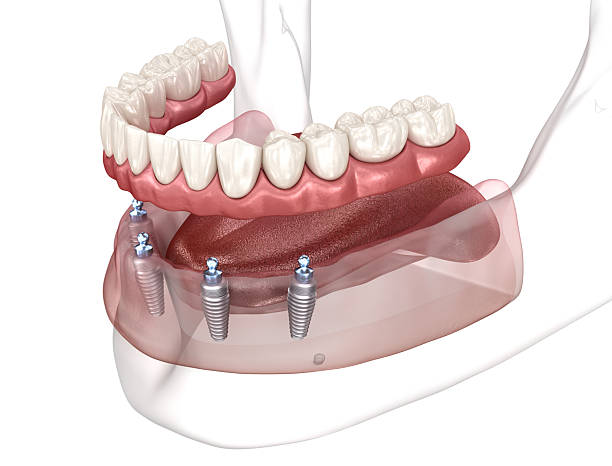
Many people wonder if dental implants are the right choice for them. If you’re missing teeth or dealing with discomfort from dentures, it’s important to understand the factors that determine your eligibility for this effective solution. In this post, you’ll find important information about the key criteria you should consider, including your oral health, jawbone condition, and overall lifestyle. Evaluating these aspects will help you determine if you are a suitable candidate for dental implants at Carolina Implant, leading you toward a brighter, more confident smile.
Key Takeaways:
- Oral Health Status: Assess your overall oral health, including the condition of your gums and remaining teeth, as these factors play a significant role in candidacy for dental implants.
- Bone Density: Evaluate your jawbone density; sufficient bone mass is important for securely anchoring dental implants, and solutions exist for those with bone loss.
- Commitment to Care: Consider your willingness to commit to the post-operative care and regular dental visits necessary for the longevity of your implants.
Understanding Dental Implants
To help you make an informed decision about your dental health, it’s important to understand what dental implants are and how they can benefit you.
What Are Dental Implants?
The dental implants are artificial tooth roots that provide a permanent base for fixed or removable replacement teeth. Made from biocompatible materials like titanium, implants are designed to fuse with your jawbone, creating a strong and stable foundation for your dental prosthesis.
Types of Dental Implants
The variety of dental implants available allows for tailored solutions to meet your specific needs. Here are some types you might encounter:
- Endosteal Implants: Placed directly in the jawbone.
- Subperiosteal Implants: Positioned under the gum but above the jawbone.
- Zygomatic Implants: Placed in the cheekbone for patients with significant jawbone loss.
- Dental Implant Bridges: Used for multiple missing teeth.
- Mini Dental Implants: Smaller implants for narrow spaces.
After reviewing these options, you can consult with your dentist to determine which type may be most suitable for you.
| Type of Implant |
Description |
| Endosteal |
Common type, surgically placed in the alveolar bone. |
| Subperiosteal |
Placed on top of the jaw, under the gum tissue. |
| Zygomatic |
Anchored in the zygomatic bone, ideal for extreme bone loss. |
| Dental Implant Bridge |
Fixes multiple missing teeth with one or more implants. |
| Mini Dental Implants |
Less invasive, used for smaller spaces. |
If you are considering dental implants, your dentist can provide insights into which type is appropriate based on your dental condition and health history.
Implants are designed to mimic the structure of natural teeth, enhancing not only your smile but also your oral health. Understanding the different types can aid in choosing the best option for your dental restoration.
- Consultation with a dental professional for options.
- Bone density assessments to determine eligibility.
- Consideration of your overall health status.
- Assessment of any previous dental work and remaining teeth.
- Understanding the time frame for healing and placement.
After discussing your specific case, you will have a clearer idea of the best path forward for your dental needs.
| Aspect of Treatment |
Consideration |
| Consultation |
Initial assessment of your dental health. |
| Bone Density |
Critical for successful implant placement. |
| Overall Health |
Factors like diabetes or heart conditions can impact success. |
| Cost |
Review of financial options and insurance coverage. |
| Recovery Time |
Understanding healing phases and aftercare. |
By familiarizing yourself with these elements, you’ll be equipped to have informed discussions with your dental professionals about the best approach for your dental implants.
Evaluating Your Oral Health
There’s no doubt that your oral health plays a significant role in determining if you’re a candidate for dental implants. Before undergoing the procedure, it’s important to evaluate the condition of your gums, bone density, and any existing oral health issues to ensure successful implant placement and longevity.
Importance of Healthy Gums
With healthy gums, your body can support and integrate the dental implants effectively. Gum disease can lead to complications, including infection and implant failure, making it important that your gums are in good condition before considering implants.
Assessing Bone Density
While dental implants rely heavily on the support of your jawbone, a sufficient bone density is necessary for a successful procedure. A lack of adequate bone can result from long-term tooth loss or other dental issues, which may complicate your candidacy for implants.
The density and volume of your jawbone are assessed using imaging techniques, such as X-rays or CT scans. If your bone structure is insufficient, you may need a bone graft or other procedures to augment your jawbone, ensuring a solid foundation for the implants you desire.
Identifying Any Current Oral Health Issues
An examination to identify any current oral health issues is vital. Conditions such as cavities, gum disease, or untreated infections must be addressed before moving forward with dental implants.
To ensure your dental health is optimal, your dentist will likely recommend treating any existing problems prior to the implant procedure. This approach not only secures the success of your implants but also enhances your overall oral health, allowing you to enjoy the benefits of your new smile for years to come.
Key Factors for Consideration
Once again, assessing whether you are a candidate for dental implants involves considering various factors that can influence the success and longevity of your treatment. Here are some key elements to keep in mind:
- Age
- Medical history and conditions
- Lifestyle choices (e.g., smoking, diet)
- Bone density and structure
- Oral hygiene practices
Thou should take personal responsibility in addressing these factors to achieve the best outcome for your dental implant procedure.
Age Considerations
Little ones may discuss dental implants with their dentist around adulthood, as the jawbone must be fully developed. Typically, individuals aged 18 and older are ideal candidates since younger patients may still be experiencing jaw growth, which can affect implant placement and healing.
Medical History and Conditions
Consideration of your medical history is vital in determining your eligibility for dental implants. Certain health conditions, like uncontrolled diabetes or autoimmune disorders, may impact your body’s healing ability.
For instance, if you have a history of gum disease, it is crucial to have it treated first to ensure your mouth can support implants successfully. Additionally, medications can also affect healing, so be upfront about your current prescriptions and conditions with your dentist.
Lifestyle Choices (e.g., smoking, diet)
With lifestyle choices playing a significant role in your dental health, factors like smoking and diet can impact the success of implants. These habits can hinder healing and affect bone integration.
It’s important to consider that if you smoke, quitting could enhance your chances for successful implants. Additionally, maintaining a balanced diet rich in nutrients supports overall health and promotes effective healing after the procedure.
Preparing for Your Consultation
All prospective dental implant patients should take time to prepare for their consultation at Carolina Implant. This initial meeting is key for assessing your candidacy for implants and developing a tailored treatment plan. Having the right information at hand will help facilitate a productive discussion with your dentist.
Questions to Ask Your Dentist
Even if you have a basic understanding of dental implants, it’s beneficial to ask your dentist specific questions about the procedure, recovery, and what to expect. Inquire about the types of implants they use, the experience of their team, and potential risks involved. Your proactive approach can help alleviate any concerns you may have.
Documentation and Medical Records
If you have dental or medical records, gathering these documents ahead of time will enhance your consultation experience. This documentation may include previous dental treatments, x-rays, and any relevant health information that could affect your candidacy for dental implants.
Your dental health history is crucial for your dentist to understand your unique situation. Be prepared to provide details about your previous dental procedures, any medications you are currently taking, and any medical conditions you might have. This information helps your dental team tailor their recommendations specifically to you.
Understanding the Consultation Process
Preparing for your consultation involves more than just bringing documents; it also means grasping what the process will entail. During this meeting, your dentist will evaluate your mouth, take necessary imaging, and discuss your goals for treatment.
Understanding the consultation process allows you to feel more confident and informed. The evaluation may include a thorough examination of your gums, bone structure, and overall oral health. Your dentist will discuss potential treatment options, address your concerns, and outline the next steps in the journey toward getting dental implants.
The Consultation Process
After you have decided to explore dental implants as an option, the consultation process begins. This process is designed to evaluate your dental health and determine whether you are a suitable candidate. At Carolina Implant, our team is dedicated to guiding you every step of the way, ensuring you have all the information you need to make the best decision for your smile. For more information on
Dental Implants in Columbia SC | Complete Your Smile, keep reading.
Initial Examination
To start, our team will conduct an initial examination of your oral health. This will include a comprehensive review of your dental history and any issues you may currently have. During this examination, you can express any concerns or questions you may have about the implant process.
Imaging and Diagnostics
Any effective evaluation of your candidacy for dental implants involves advanced imaging and diagnostics. We will use state-of-the-art technology to create detailed images of your jawbone and surrounding structures, which will aid in assessing the space available for implants.
Process your dental implants journey begins here. The imaging technology, such as X-rays and 3D scans, allows us to identify bone density and determine the best placement for the implants. This step is vital in ensuring the long-term success of your treatment.
Treatment Plan Discussion
On completion of the diagnostic stage, you will engage in a discussion regarding your personalized treatment plan. This discussion will outline the steps involved in the implant process, expected timelines, and what to anticipate.
Plus, this is your opportunity to ask any questions and address any concerns you may have. Our team will walk you through every detail, ensuring that you feel confident and informed about your decision to pursue dental implants.
Understanding Costs and Insurance
Despite the many benefits dental implants can offer, understanding their costs and your insurance options is vital. This will help you make an informed decision about your treatment. Many factors can influence dental implant pricing, including the complexity of the procedure and the materials used. You can learn more about your eligibility for dental implants by checking out these
8 Ways to Tell Whether You’re a Candidate for Dental Implants.
Average Cost of Dental Implants
Any dental implant procedure typically involves multiple steps, which can affect the overall cost. On average, dental implants can range from $3,000 to $4,500 per implant, depending on various factors such as location and the specific needs of your case.
Insurance Coverage Options
An important aspect to consider is whether your dental insurance will cover any costs associated with dental implants. Many plans have specific provisions for implant treatments, but this can vary widely. It’s best to consult your provider to understand what they may support.
Coverage for dental implants often requires pre-approval, and many insurance plans may only cover a portion of the overall costs. Some may classify implants as an elective procedure, only allowing for coverage if they are deemed medically necessary. Checking your plan’s details can clarify the financial responsibility you’ll have.
Financing Alternatives
There’s often an opportunity to explore financing alternatives to make dental implants more accessible. Many dental offices, including Carolina Implant, offer payment plans or financing options tailored to fit your budget.
Another option is third-party financing companies that specialize in medical procedures. These services can help you manage the cost through payment plans or low-interest credit options, providing flexibility in your payment schedule. Evaluating these options can make your dental implant journey more manageable and less stressful.
Post-Consultation Steps
Not everyone qualifies for dental implants, but that doesn’t mean you couldn’t be a candidate. To find out more about your suitability, it’s helpful to consult with dental professionals. You can explore options by visiting
Am I a Candidate for Dental Implants? | Dr. Suk Jun Yun.
Follow-Up Appointments
Little time after your initial consultation, you might find it necessary to schedule follow-up appointments. These check-ins can help your dental provider monitor your progress and address any emerging questions or concerns. Regular communication is key to ensuring a successful outcome for your dental implant journey.
Preparing for Surgery
One key aspect of your dental implant process is preparing for surgery. This preparation is vital to help you feel more comfortable and informed as you approach the date of your procedure.
To prepare for surgery, you’ll want to gather all relevant medical records and discuss any medications you’re currently taking with your dentist. It’s also wise to establish a plan for recovery, including arranging for someone to assist you on the day of the procedure. Understanding what to expect can help alleviate any anxiety you may feel.
Aftercare and Maintenance
One of the most important steps following your implant procedure is aftercare and maintenance. Proper care will aid in healing and ensure the longevity of your dental implants.
Maintenance of your implants includes adhering to a thorough oral hygiene routine, which involves brushing and flossing regularly. Additionally, routine dental check-ups can help monitor the health of your implants and surrounding teeth. Following your dentist’s recommendations for both aftercare and maintenance is vital for successful results.
Final Words
To wrap up, determining if you’re a candidate for dental implants at Carolina Implant involves assessing your oral health, bone density, and personal dental goals. If you have missing teeth, good overall health, and are committed to maintaining your dental hygiene, you may be an excellent fit for this treatment. Scheduling a consultation will allow you to explore your options, understand the procedure, and get tailored advice from our dental experts. Don’t hesitate to reach out for a professional evaluation to take the next step toward a healthier smile.
Q: What factors determine if I’m a suitable candidate for dental implants at Carolina Implant?
A: Several factors influence your eligibility for dental implants, including the condition of your gums and jawbone, your oral hygiene habits, and any underlying health issues. At Carolina Implant, our specialists will perform a comprehensive evaluation that includes dental X-rays and a thorough review of your medical history. Ideally, candidates should have sufficient bone density to support the implant. If bone loss has occurred, there are options available to enhance bone density, making you a more viable candidate.
Q: Are there specific health conditions that could disqualify me from getting dental implants?
A: While many health conditions can be managed to enable someone to qualify for dental implants, certain medical issues may pose risks. Conditions such as uncontrolled diabetes, heart disease, or a history of radiation therapy to the head and neck area can complicate the process. At Carolina Implant, our dental team will consult with your healthcare provider if necessary, ensuring any medical concerns are addressed before proceeding with treatment.
Q: What is the process for evaluating my candidacy for dental implants at Carolina Implant?
A: The evaluation process at Carolina Implant typically starts with a consultation where our dental professionals will discuss your dental history and current oral health status. This is followed by a clinical examination and imaging tests like X-rays or 3D scans to assess the quality and quantity of your jawbone. Based on this comprehensive assessment, we will provide personalized recommendations and discuss various treatment options tailored to your specific needs.